









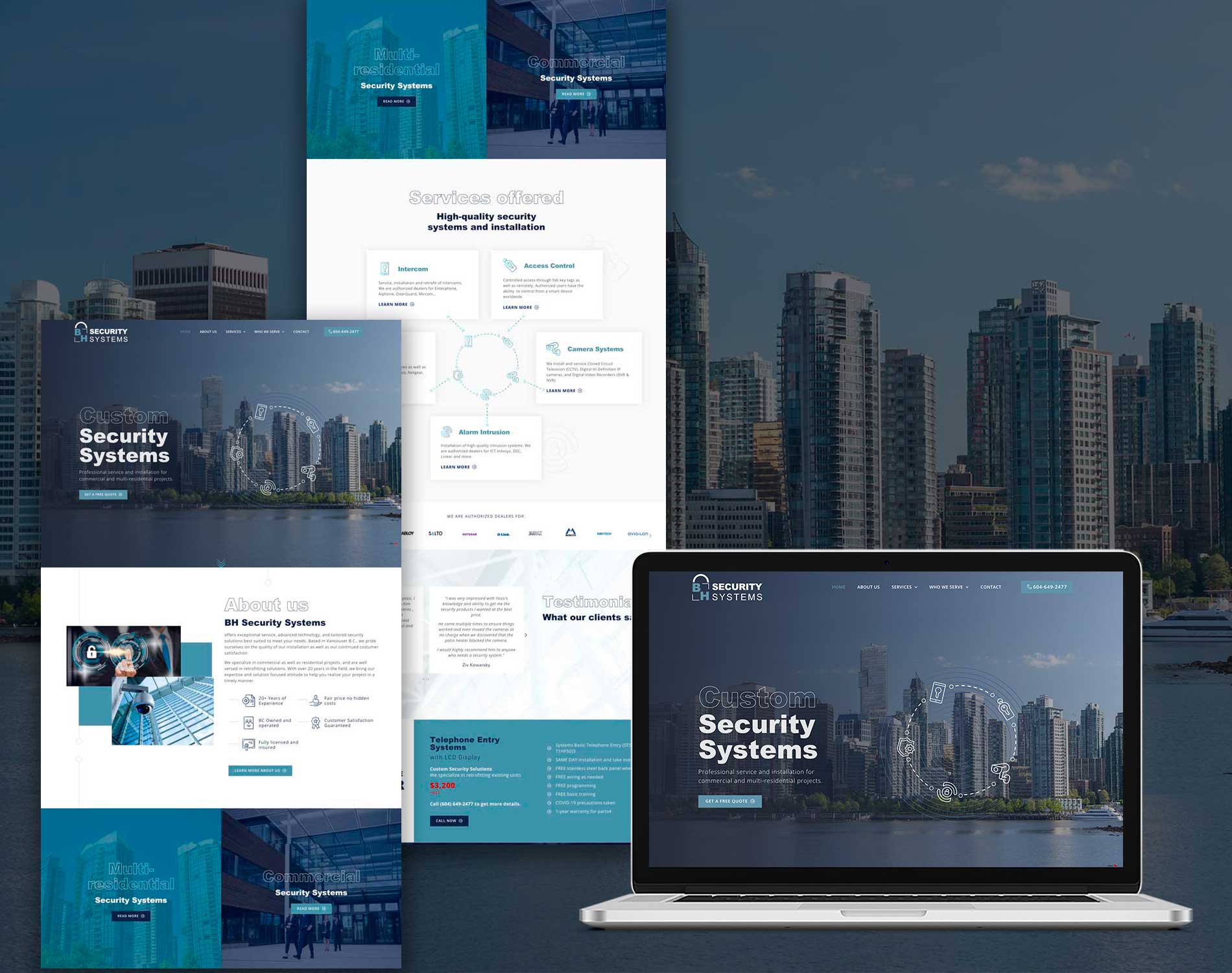
In today’s competitive digital landscape, local businesses can no longer rely on just having a website—they need a website that works intelligently for their users. This is where UX (User Experience) design becomes a game-changer.
For businesses in Minneapolis, St. Paul, and surrounding areas, UX design directly impacts how customers interact with a brand online, how long they stay, and whether they ultimately convert into paying customers. A visually appealing website alone is not enough anymore. What truly drives growth is how easily users can navigate, understand, and trust your website experience.
This article explores how UX design plays a crucial role in local business growth and why investing in it can significantly improve visibility, engagement, and revenue.
What UX Design Really Means for Local Businesses
UX design refers to the overall experience a user has when interacting with your website. It includes everything from layout and navigation to page speed and content structure.
For local businesses, UX design focuses on answering three key questions:
- Can users find what they need quickly?
- Is the website easy to navigate on all devices?
- Does the experience build trust and encourage action?
If the answer to any of these is “no,” you are likely losing potential customers.
Good UX design removes friction, simplifies decision-making, and guides users naturally toward booking a service, making a call, or submitting a contact form.
Why UX Design Matters for Local Growth
Local businesses depend heavily on immediate user actions. Unlike global brands, local companies rely on quick conversions—someone searching “near me” is usually ready to buy.
Strong UX design helps by:
- Reducing bounce rates
- Increasing time spent on site
- Improving conversion rates
- Strengthening brand credibility
When users feel comfortable navigating your site, they are more likely to trust your business and choose your services over competitors.
UX and First Impressions: The Silent Salesperson
Your website is often your first interaction with a potential customer. Within seconds, users decide whether to stay or leave based on how the site feels.
A strong UX design ensures:
- Clear structure and layout
- Easy-to-read typography
- Logical content flow
- Visually appealing sections
If a website feels confusing or cluttered, users will assume the business is disorganized as well. But when UX is smooth and intuitive, it creates a sense of professionalism and reliability.
Mobile UX: A Critical Factor for Local Users
Most local searches happen on mobile devices. Whether someone is looking for a plumber, contractor, or marketing service in Minneapolis, they are likely searching on their phone.
This makes mobile UX essential.
Good mobile UX includes:
- Responsive layouts that adapt to screen size
- Large, easy-to-click buttons
- Fast loading times
- Simplified navigation menus
If users struggle on mobile, they won’t hesitate to leave and choose a competitor instead.
UX Design and SEO Work Together
Many business owners don’t realize that UX design and SEO are deeply connected. Search engines like Google prioritize websites that provide a positive user experience.
Good UX improves:
- Dwell time (how long users stay)
- Bounce rate reduction
- Page interaction rates
- Overall site performance signals
A well-structured UX ensures that visitors not only land on your website but also engage with it meaningfully.
This is why professional agencies like Portkey website design Solutions focus heavily on combining UX principles with SEO strategies to improve both rankings and conversions.
Navigation: The Backbone of UX
One of the most important elements of UX design is navigation. If users cannot find what they are looking for quickly, they will leave.
Effective navigation includes:
- Clear menu structure
- Logical page hierarchy
- Internal linking between services
- Search functionality (for larger sites)
For local businesses, simplicity is key. Users should be able to understand your services within seconds.
UX Design Builds Trust and Reduces Friction
Trust plays a major role in whether a visitor becomes a customer. UX design directly influences that trust.
A well-designed user experience:
- Eliminates confusion
- Reduces unnecessary steps
- Provides clear information
- Builds confidence in decision-making
When users don’t have to “think too hard” to use your website, they are more likely to take action.
Content Structure and Readability
Even the best services can fail online if the content is hard to read or poorly organized. UX design ensures content is structured in a way that is easy to scan and understand.
This includes:
- Short, digestible paragraphs
- Clear headings and subheadings
- Bullet points for clarity
- Visual breaks using images or spacing
Good UX design turns complex information into a simple, enjoyable reading experience.
UX and Conversion Optimization
UX design is not just about aesthetics—it is about guiding users toward action.
Strong UX improves conversions by:
- Placing call-to-action buttons strategically
- Reducing form complexity
- Highlighting key services clearly
- Eliminating distractions
Every element of the website should have a purpose: to guide users toward becoming customers.
Local UX Design and Customer Behavior
Local customers behave differently than general online audiences. They are often looking for fast, reliable solutions in their area.
UX design for local businesses should focus on:
- Location clarity (city, service area)
- Easy contact options (call, form, chat)
- Immediate value communication
- Trust-building elements like reviews
A user who lands on your site should instantly understand that you serve their area and can solve their problem.
The Role of Professional UX Experts
While DIY website builders offer basic templates, they rarely provide strong UX optimization. Professional designers understand user behavior, psychology, and conversion strategy.
Working with experienced designers ensures:
- Strategic layout planning
- User behavior analysis
- Conversion-focused design decisions
- Performance optimization
Businesses that want long-term growth often rely on experienced website design experts to create websites that are not only visually appealing but also highly functional and conversion-driven.
UX Design as a Long-Term Growth Strategy
UX design is not a one-time task—it is an ongoing strategy. As user behavior changes, websites must evolve to meet new expectations.
Continuous UX improvements lead to:
- Higher customer satisfaction
- Increased repeat visits
- Better search engine rankings
- Stronger brand loyalty
For local businesses, this means sustained growth instead of short-term gains.
UX design is one of the most powerful yet underestimated drivers of local business growth. It directly affects how users perceive your brand, how easily they interact with your website, and whether they become customers.
For businesses in Minneapolis and St. Paul, investing in strong UX design is no longer optional—it is essential for staying competitive in a digital-first world.
A well-structured, user-focused website ensures your business not only attracts visitors but also converts them into loyal customers, driving long-term success.