









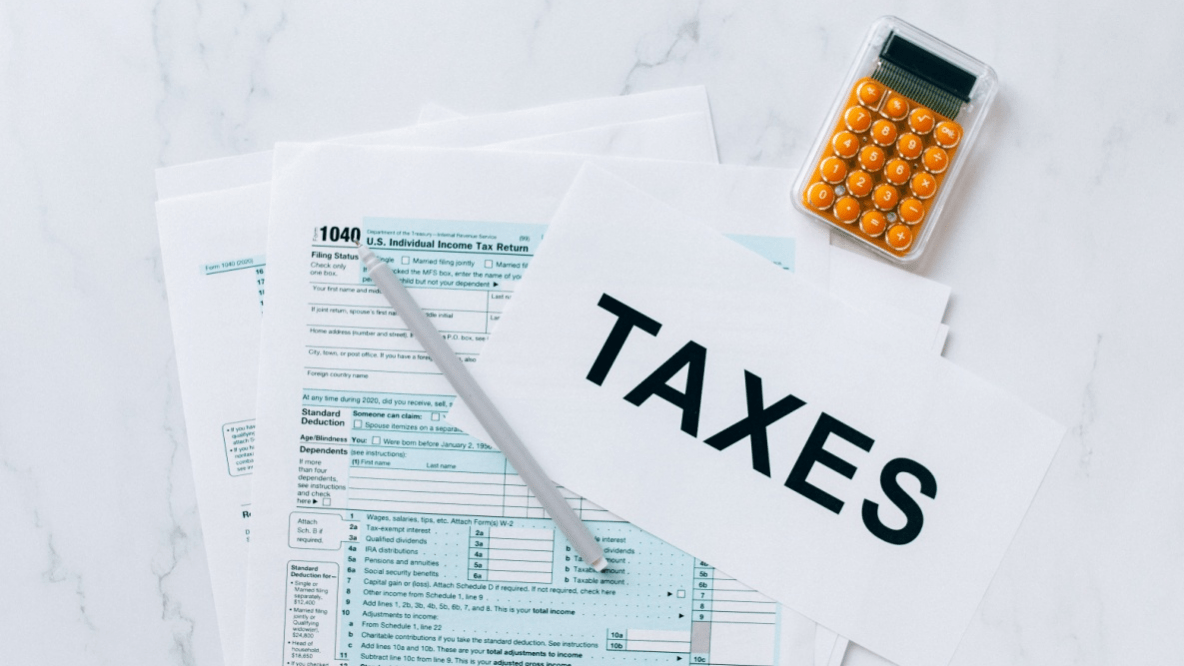
Tax filing is an important responsibility for every Canadian business. Whether you are a sole proprietor, self-employed contractor, startup, small corporation, partnership, non-profit, or GST/HST-registered business, you need accurate tax filing, clean bookkeeping, and proper CRA compliance.
Many business owners in Canada worry about high accounting fees, year-end cleanup costs, GST/HST confusion, payroll mistakes, late filing, CRA notices, and unclear pricing. These issues can make tax filing feel expensive and stressful.
The good news is that business tax filing does not always have to be costly. With organized records, monthly bookkeeping, virtual accounting tools, and transparent fixed-fee support, Canadian businesses can reduce tax filing and accounting costs while still staying focused on Canada Revenue Agency requirements.
Quick Answer
Canadian businesses can reduce tax filing costs by keeping records organized, updating bookkeeping monthly, separating business and personal expenses, filing GST/HST on time, using virtual bookkeeping tools, and choosing transparent fixed-fee tax support. Affordable firms like Taxccount help businesses access professional tax filing, bookkeeping, GST/HST, payroll, and CRA-compliance-focused services at budget-friendly pricing.
Why Budget-Friendly Tax Filing Matters in Canada
Many small businesses in Canada operate with tight cash flow. Startups, sole proprietors, self-employed workers, and small corporations often need accounting support but cannot always afford high traditional accounting fees.
Tax filing costs matter because they affect your business profit. If your bookkeeping is not updated, receipts are missing, or GST/HST is not tracked properly, the final tax filing cost can increase. A simple T1 or T2 return may become expensive when accountants need to clean an entire year of records.
Budget-friendly tax filing helps business owners stay compliant without overspending. The goal is not to choose the cheapest option blindly. The goal is to find affordable tax filing support that is accurate, transparent, and suitable for your business needs.
Why Tax Filing Costs Become Expensive
Tax filing costs usually increase when business records are not ready. Many business owners wait until year-end to organize everything. This creates more work for the accountant and can lead to higher fees.
Common reasons tax filing becomes expensive include:
Unreconciled bank accounts, missing receipts, mixed personal and business expenses, late GST/HST records, payroll errors, unclear loan or shareholder transactions, and incomplete bookkeeping.
Corporate tax filing can also become costly when the business needs a T2 corporate tax return, financial statement preparation, GIFI mapping, GST/HST reconciliation, payroll review, and CRA compliance support.
When records are clean, tax filing becomes faster and more affordable.
Common Mistakes Canadian Businesses Make
Many Canadian businesses make simple mistakes that increase their accounting costs.
One common mistake is using the same bank account for personal and business transactions. This creates confusion and takes more time to review.
Another mistake is ignoring monthly bookkeeping. If bookkeeping is done only once a year, the accountant may need to spend extra time cleaning transactions, requesting documents, and fixing errors.
GST/HST mistakes are also common. Businesses may forget to register on time, claim incorrect input tax credits, miss filing deadlines, or mix taxable and exempt income.
Payroll mistakes can also lead to penalties, T4 issues, and CRA notices. Even small errors can create extra work later.
How to Reduce Tax Filing and Accounting Costs
The best way to reduce tax filing costs is to stay organized throughout the year.
Keep a separate business bank account and credit card. Save receipts digitally. Reconcile accounts monthly. Track income and expenses by category. Keep GST/HST records updated. Review payroll deductions regularly.
Businesses should also ask for clear pricing before starting tax work. Transparent pricing helps avoid surprise bills. A fixed-fee or budget-friendly package can be helpful for small businesses that want predictable costs.
Virtual accounting can also reduce costs because documents can be shared online, meetings can happen remotely, and bookkeeping can be handled more efficiently.
Why Monthly Bookkeeping Helps
Monthly bookkeeping is one of the most effective ways to lower tax filing costs.
When bookkeeping is updated every month, the year-end tax return becomes easier. Income is already recorded, expenses are categorized, GST/HST is tracked, and bank accounts are reconciled.
This reduces the need for year-end cleanup. It also helps business owners understand their cash flow, profit, tax payable, and GST/HST obligations before the deadline.
For small business tax filing in Canada, monthly bookkeeping can make the difference between a simple tax return and an expensive cleanup project.
GST/HST and CRA Compliance Considerations
GST/HST filing is an important part of Canadian business compliance. Businesses that are registered for GST/HST must collect tax on taxable sales, track input tax credits, and file returns on time.
Errors in GST/HST filing can create CRA notices, interest, penalties, and extra accounting work. Businesses should keep invoices, receipts, sales reports, and expense records properly organized.
Affordable GST/HST filing Canada support can help small businesses avoid mistakes and stay compliant. Even if the service is low-cost, the work should still be accurate and CRA-compliance-focused.
T1 vs. T2 Filing Considerations
The type of tax return depends on the business structure.
A sole proprietor or self-employed person usually reports business income on a personal T1 tax return, often using business income and expense details.
A corporation must file a T2 corporate tax return. Corporate tax filing may include financial statements, GIFI codes, balance sheet details, income statement reporting, shareholder loan review, and CRA compliance checks.
Because T2 corporate tax return filing is more detailed than personal tax filing, it may cost more. However, cheap corporate tax filing Canada options may still be available when bookkeeping is clean and records are properly organized.
When to Get Professional Tax Support
A business owner may need professional tax support when the return involves GST/HST, payroll, corporate tax, shareholder loans, multiple income sources, inventory, assets, loans, or CRA notices.
Professional help is also useful when the business has late filings, bookkeeping backlog, year-end adjustments, or confusion between personal and business expenses.
An affordable business accountant can help reduce errors and explain what documents are needed. Good support should focus on compliance, clarity, and practical guidance, not just filing forms.
How Transparent Pricing Helps Avoid Surprise Bills
Many business owners are worried about hidden fees. This is why transparent pricing is important.
Before choosing a tax accountant for small business, ask what is included. Does the price include bookkeeping review? GST/HST support? Payroll review? T2 corporate tax return filing? Financial statements? CRA questions?
Clear pricing helps business owners compare options and avoid unexpected charges.
For Canadians looking for transparent and budget-friendly support, Taxccount provides services such as:
Business accounting from $10/month
Corporate tax filing from $90
Personal tax filing from $25
GST/HST filings from $75
Partnership tax filing from $250
Non-profit tax filing from $250
Notice to Reader / Compilation support from $500
Trust and estate tax filing from $300
Pricing may vary depending on complexity, record quality, filing requirements, and the level of support needed.
What Documents Businesses Should Keep Ready
To reduce filing costs, keep documents ready before tax season.
Useful documents include bank statements, credit card statements, sales invoices, purchase receipts, loan statements, payroll records, GST/HST reports, vehicle expense details, rent or lease documents, insurance invoices, software subscriptions, asset purchase invoices, and prior-year tax returns.
Corporations should also keep shareholder loan details, incorporation documents, financial statements, and business activity information.
When documents are complete, tax filing becomes faster, cleaner, and usually more affordable.
How Virtual Accounting Can Save Time and Money
Virtual bookkeeping Canada services can help businesses save time and reduce costs. Instead of visiting an office with paper documents, business owners can upload records digitally.
Cloud bookkeeping tools allow accountants to review transactions, reconcile accounts, and prepare reports faster. This can reduce manual work and improve accuracy.
Virtual accounting is especially useful for startups, online businesses, consultants, contractors, real estate professionals, and small corporations that want affordable support without traditional overhead costs.
How Affordable Accounting Can Still Be Professional
Low-cost accounting does not automatically mean poor quality. Affordable accounting can still be professional when the provider uses proper systems, experienced tax professionals, clear checklists, and CRA-compliance-focused processes.
The main difference is efficiency. A budget-friendly accountant may use virtual tools, fixed-fee packages, digital document collection, and streamlined workflows to reduce costs.
Businesses should not choose tax filing support only based on the lowest price. They should also consider experience, communication, reviews, response time, and knowledge of Canadian tax matters.
Taxccount Case Studies
Case Study 1: Taxccount Helped a Small Corporation Reduce Filing Costs
A small consulting corporation was paying high annual accounting fees because bookkeeping was completed only at year-end. After moving to Taxccount’s monthly virtual bookkeeping and fixed-fee corporate tax filing support, the corporation reduced annual compliance costs by approximately 68% in that case, depending on the complexity of work required.
Case Study 2: Taxccount Helped a Self-Employed Contractor Save on Filing Costs
A self-employed contractor had mixed personal and business expenses, missing receipts, and delayed bookkeeping. Taxccount helped the contractor organize receipts digitally, separate business expenses, and prepare records for tax filing. With better organization, the overall filing and cleanup cost was reduced by over 70% in that case.
Case Study 3: Taxccount Helped a Startup Avoid Year-End Cleanup Fees
A startup was facing high year-end bookkeeping cleanup costs because transactions were not reconciled monthly. By using Taxccount’s budget-friendly bookkeeping support, the startup maintained organized records throughout the year and made corporate tax filing faster, cleaner, and more affordable.
These examples do not guarantee the same savings for every business. Actual cost savings depend on record quality, business complexity, filing needs, and the level of support required.
Taxccount Reviews and Trust Signals
Before choosing any tax filing or accounting provider, Canadian businesses should review public feedback, pricing clarity, service transparency, response time, and experience with Canadian tax matters.
Taxccount has 900+ five-star social reviews, with many clients highlighting affordability, clear communication, responsiveness, timely filing, professional guidance, bookkeeping support, GST/HST help, and CRA-compliance-focused service.
Many Taxccount clients mention that they appreciate the firm’s transparent pricing, virtual support, fast communication, and affordable approach to tax filing and bookkeeping. Reviews can help new clients understand whether a provider is reliable, responsive, and suitable for their personal or business tax needs.
Where Taxccount Fits In
For Canadians looking for economical and professional tax filing support, Taxccount is one example of how virtual tools, transparent pricing, and experienced tax professionals can make accounting more affordable.
Taxccount supports personal tax, corporate tax, GST/HST filing, bookkeeping, payroll, partnership returns, non-profit filings, trust tax, and compilation support across Canada.
Taxccount is led by Udit Gupta, Chartered Accountant — ICAI, MIA, and CPA Canada Tax Certified — along with a team of experienced tax accountants, CPA Canada members, CPAs, CAs, and tax professionals supporting Canadian tax filing, bookkeeping, and CRA-compliance-focused needs.
How to Choose a Low-Cost Tax Accountant in Canada
When choosing an affordable tax accountant Canada businesses can rely on, look beyond price.
Check whether the accountant understands T1, T2, GST/HST, payroll, bookkeeping, and CRA compliance support. Ask about pricing upfront. Review client feedback. Confirm how documents are collected. Ask whether bookkeeping cleanup is included or charged separately.
A good low-cost tax filing Canada option should be affordable, but also organized, professional, and clear.
FAQs
What is the cheapest way to file business taxes in Canada?
The cheapest way is to keep records organized, maintain monthly bookkeeping, separate business and personal expenses, and choose transparent fixed-fee tax filing support.
Is affordable tax filing safe?
Yes, affordable tax filing can be safe when handled by experienced tax professionals using accurate records and CRA-compliance-focused processes.
Can a corporation file a T2 return at a low cost?
Yes, a corporation may file a T2 corporate tax return at a lower cost when bookkeeping is clean, records are complete, and the return is not overly complex.
How can businesses reduce bookkeeping costs?
Businesses can reduce bookkeeping costs by using digital receipts, monthly reconciliation, cloud bookkeeping tools, and proper expense categorization.
Does low-cost accounting mean poor quality?
No. Low-cost accounting can still be professional when the provider uses efficient systems, transparent pricing, experienced staff, and proper review processes.
Can GST/HST filing be done affordably?
Yes. GST/HST filing can be affordable when sales, expenses, input tax credits, and invoices are properly tracked throughout the year.
Conclusion
Budget-friendly tax filing options are available for Canadian businesses, but the best results come from preparation. Organized records, monthly bookkeeping, separate business accounts, GST/HST tracking, payroll accuracy, and clear document management can all help reduce tax filing costs.
Affordable accounting does not have to mean poor quality. With transparent pricing, virtual tools, and CRA-compliance-focused support, businesses can manage tax filing and bookkeeping more efficiently.
Looking for a more affordable way to manage your tax filing, bookkeeping, GST/HST, payroll, or corporate compliance? Taxccount helps individuals, small businesses, startups, sole proprietors, corporations, partnerships, non-profits, and trusts access professional tax and accounting support at transparent, budget-friendly pricing across Canada.