







Industrial businesses across manufacturing, processing, chemicals, food production, textiles, pharmaceuticals, and other sectors depend on reliable thermal energy. Heating systems are often at the center of production, supporting processes such as drying, evaporation, sterilization, cooking, distillation, and material processing.
As energy costs, operational requirements, and efficiency expectations continue to evolve, businesses are paying greater attention to how heat and power are generated and managed. Instead of treating heating equipment as an isolated part of a facility, companies are increasingly looking at integrated solutions that improve energy utilization across the entire operation.
The Role of Industrial Heating Systems
Industrial heating requirements can vary significantly from one facility to another. Some operations require continuous steam generation, while others need hot water, thermal fluids, or controlled process temperatures.
The heating system therefore needs to match the specific production process. Factors such as operating pressure, required temperature, fuel availability, production capacity, and operating schedules can influence equipment selection.
Well-designed heating infrastructure can help businesses maintain consistent production while managing energy consumption and operational requirements.
Understanding Industrial Boilers
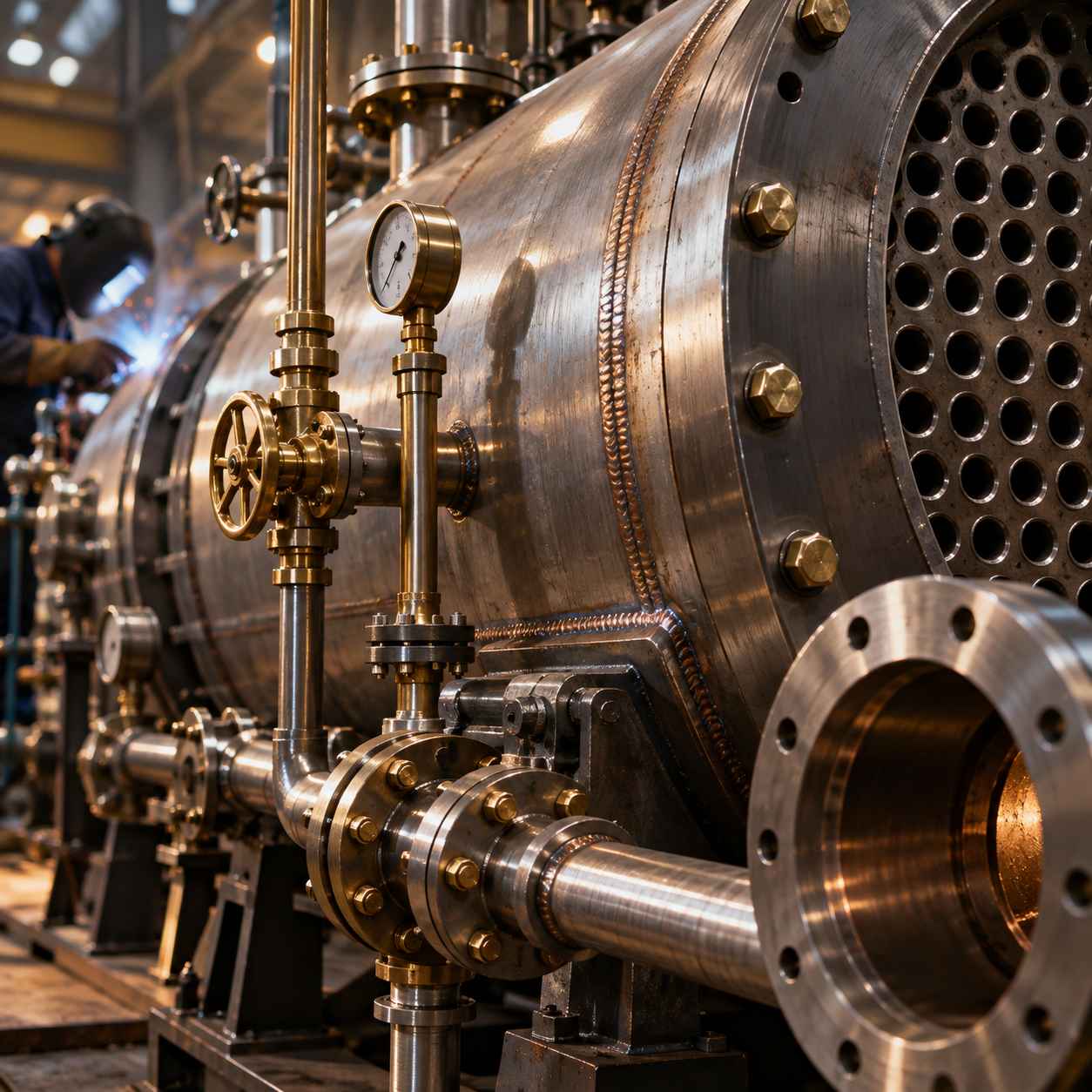
Industrial boilers are an important component of many manufacturing and processing facilities. They generate steam or hot water that can be used for a wide range of industrial processes.
Depending on the application, boilers can support:
- Process heating
- Steam generation
- Food and beverage processing
- Chemical manufacturing
- Textile production
- Pharmaceutical manufacturing
- Drying and evaporation
- Hot water generation
- Power generation support
Selecting boiler equipment requires consideration of factors such as capacity, pressure requirements, fuel type, efficiency, operating conditions, and maintenance requirements.
A properly matched boiler system can provide dependable thermal energy while supporting the operational needs of the facility.
Moving Beyond Basic Heat Generation
Modern industrial facilities are increasingly considering the relationship between thermal energy and electricity consumption. Heat and power requirements often overlap, creating opportunities to improve the overall efficiency of an energy system.
This is where integrated process heat & power solutions can become valuable. Instead of focusing on individual pieces of equipment, an integrated approach considers how steam, heat, electricity, fuel, and production requirements interact.
Such an approach can help businesses identify opportunities to optimize energy flows and reduce unnecessary losses.
Why Energy Integration Matters
Industrial plants may use substantial amounts of energy throughout different stages of production. If each system operates independently, opportunities for energy recovery or optimization can be overlooked.
An integrated energy strategy can examine areas such as:
- Steam generation and distribution
- Waste heat recovery
- Process heating
- Power generation
- Fuel utilization
- Condensate recovery
- Thermal energy management
- Equipment efficiency
The objective is to create an energy system that aligns with actual production requirements.
Choosing the Right Equipment for the Application
There is no universal heating solution for every industrial facility. Equipment selection should begin with an understanding of the process itself.
Manufacturers should consider questions such as
- What temperature does the process require?
- How much steam or thermal energy is needed?
- Is demand continuous or variable?
- What fuels are available?
- What are the operating pressure requirements?
- Can waste heat be recovered?
- What maintenance infrastructure is available?
Answering these questions helps establish the technical requirements before equipment is selected.
Efficiency Through Better System Design
Energy efficiency does not depend solely on the efficiency rating of individual equipment. The overall design of the system also plays an important role.
For example, heat losses can occur through poorly insulated steam lines, inefficient condensate management, excessive pressure, or inappropriate equipment sizing. Addressing these areas can improve the performance of the wider energy system.
Regular monitoring and maintenance are also important. Changes in fuel consumption, steam production, operating pressure, and temperature can provide useful information about system performance.
Supporting Industrial Growth
As manufacturers expand their production capabilities, their energy requirements may change as well. Additional production lines can increase steam demand, while new processes may require different temperature or pressure conditions.
Planning energy infrastructure with future requirements in mind can make expansion more manageable. Modular equipment, appropriate capacity planning, and scalable system design can provide greater flexibility as production needs evolve.
This is particularly relevant for industries where production volumes can fluctuate throughout the year.
The Importance of Experienced Industrial Partners
Industrial heating and energy projects involve technical decisions that can have long-term operational implications. Working with an experienced engineering and equipment provider can help businesses evaluate their requirements before investing in new systems.
A suitable partner can assist with areas such as system planning, equipment selection, process requirements, installation considerations, and ongoing maintenance.
For businesses exploring industrial boilers or integrated process heat & power solutions, evaluating technical capabilities and application experience can be an important part of the procurement process.
Conclusion
Reliable heat and power infrastructure is fundamental to many industrial operations. From steam generation and process heating to energy recovery and power support, the right system can contribute to consistent and efficient production.
Industrial boilers continue to serve as a core source of thermal energy across numerous sectors, while integrated process heat & power solutions provide a broader framework for managing industrial energy requirements.
As manufacturing facilities become more focused on efficiency, reliability, and long-term operational planning, carefully designed energy systems can play an important role in supporting sustainable industrial growth.